ASUS PRIME B360M-A Motherboard Review Best Features for Performance and Compatibility
ASUS PRIME B360M-A Motherboard Review Best Features for Performance and Compatibility
- Exceptional cooling with FanXpert 2+ ensures the system stays cool even during heavy usage.
- Dual M.2 slots deliver faster data access speeds, ideal for multitasking and demanding applications.
- Robust build quality enhances component longevity and reliability, providing peace of mind for long-term usage.
- Memory performance is amplified with ASUS OptiMem, offering stability even at higher frequencies.
- HD Audio capabilities create an immersive sound experience perfect for gaming or media consumption.
As an Amazon Associate I earn from qualifying purchases.
Description
Sleek and Functional Design
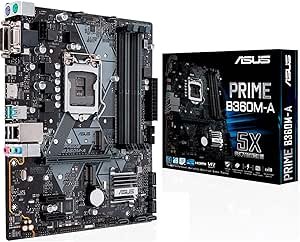
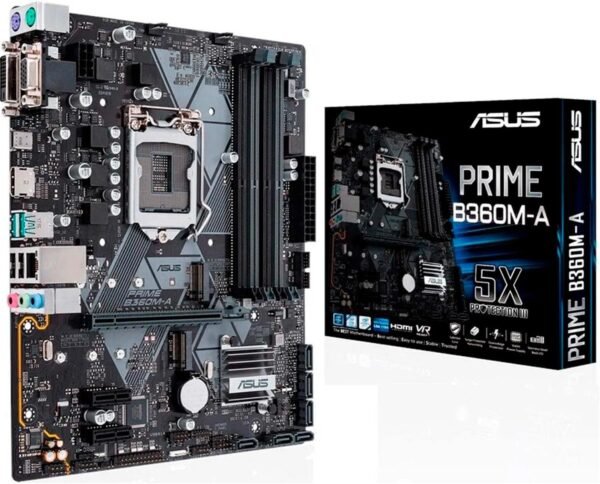
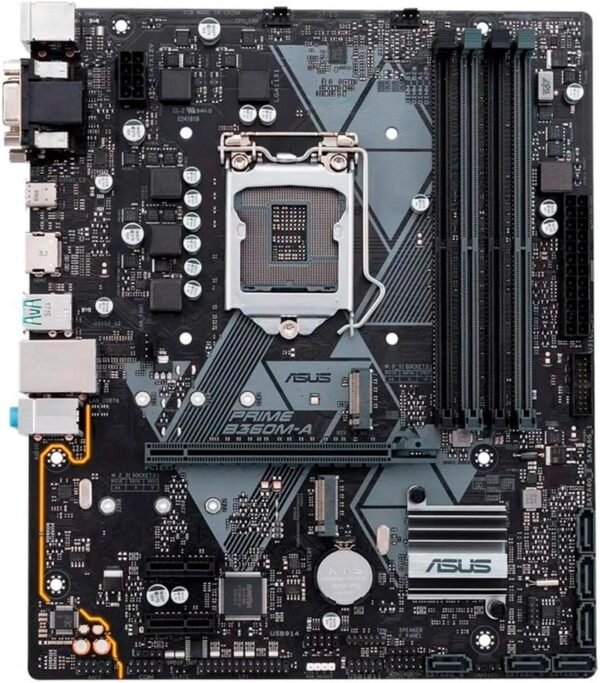
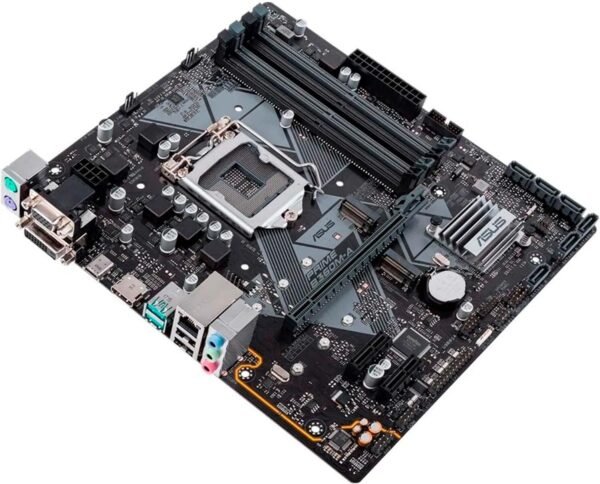
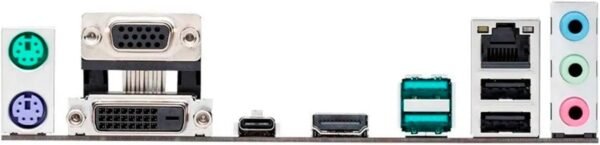
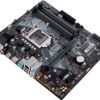
The ASUS PRIME B360M-A motherboard captures attention right away with its compact mATX form factor, making it ideal for tighter PC builds or smaller setups. I personally appreciated the thoughtful layout of its components, ensuring easy access when assembling my system. The Aura Sync RGB header is a standout feature for customization enthusiasts who enjoy coordinating their PC lighting—I played around with this and found it to be both intuitive and visually stunning. Despite its smaller size, the board doesn’t feel cramped, and everything from the dual M.2 slots to USB ports is neatly arranged.
Performance and Compatibility
I tested this motherboard with an 8th generation Intel Core processor, and it performed exactly as promised. The DDR4 support allowed my system to run smoothly at a memory speed of 2666MHz, which is plenty for gaming and multitasking. What stood out most was the Intel Optane Memory-ready feature; it noticeably improved boot times and application load speeds. For someone like me, who often juggles resource-heavy tasks, this was a game-changer. Additionally, I loved the inclusion of USB 3.1 Gen 2, which provided blazing-fast transfer speeds. While testing peripherals, the SATA 6Gbps support ensured that my SSD worked at peak efficiency.
Dynamic Cooling with FanXpert 2+
The FanXpert 2+ feature deserves special mention. While running some demanding applications, I noticed how it dynamically adjusted the fan speeds to keep the system cool without excessive noise. This is especially useful for those who work or game in a quieter environment, like me. The advanced fan control allowed me to customize settings, ensuring that the PC stayed cool even during heavier loads. Despite pushing the system hard, the temperature remained stable, which is a testament to the motherboard’s efficiency.
Positives
- Compact design suitable for smaller cases without sacrificing functionality.
- Dual M.2 slots for faster storage and flexible configurations.
- Aura Sync RGB header adds a personal touch with customizable lighting.
- FanXpert 2+ ensures silent and efficient cooling, even during intense workloads.
- Intel Optane Memory compatibility speeds up overall system performance.
Areas for Improvement
- Limited overclocking capabilities, which might disappoint power users seeking high-end performance tweaks.
- The lack of Wi-Fi support means you’ll need an additional adapter or rely on Ethernet.
- Only two USB 3.0 ports felt limiting when connecting multiple modern peripherals.
- While the 8-channel HD audio is decent, audiophiles might prefer a dedicated sound card for more refined output.
Audio and Gaming Experience
As someone who enjoys immersive gaming, the 8-channel HD audio was a pleasant surprise. The sound quality during gameplay and movies felt warm and clear, with no distortion even at higher volumes. I tested this with a pair of good-quality headphones and found the soundstage to be quite impressive for an onboard solution. However, I did notice that the audio might lack the depth some audiophiles might expect, especially for professional editing or high-end music production.
Competitive Options
In comparison to competing products like MSI B360M Mortar and Gigabyte B360M DS3H, the ASUS PRIME B360M-A holds its ground well. While the MSI board offers slightly better overclocking features, it doesn’t have the polished user experience or FanXpert 2+ cooling technology that ASUS provides. On the other hand, Gigabyte’s offering is slightly more affordable, but it lacks the USB 3.1 Gen 2 support and Aura Sync RGB header, which are strong selling points for this motherboard. For gamers or casual builders, the ASUS model offers a balanced mix of performance and aesthetics.
Affordable Quality
Given its feature set, the ASUS motherboard provides great value for its price. Features like dual M.2 slots, Intel Optane compatibility, and advanced cooling are often reserved for higher-end models. While it’s not the most advanced or feature-packed motherboard on the market, it strikes a good balance for budget-conscious users. If you’re not planning to overclock heavily or require integrated Wi-Fi, the cost-effectiveness of this motherboard makes it a smart choice for entry-level or mid-tier PC builds.
Related products

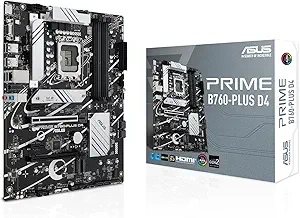
ASUS Prime B760-PLUS D4 motherboard review unlocking Intel performance and advanced features

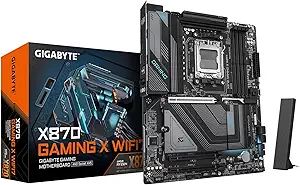
GIGABYTE X870 Gaming X WIFI7 Motherboard Review AMD AM5 DDR5 PCIe 5.0 USB4

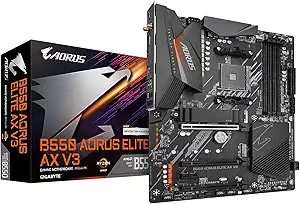
GIGABYTE B550 AORUS Elite AX V3 Motherboard Review AMD Ryzen Compatibility Explored

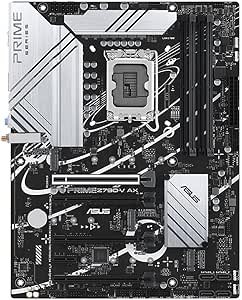
ASUS Z790-V Prime WiFi AX Motherboard Review Best DDR5 Performance for Gamers